
THE FUTURE OF MUSIC VIDEO INNOVATION
Music videos have been the heartbeat of the music industry, a vivid conduit between performers and fans, evolving in scope, style, and sophistication over the years. What began as raw, inventive visuals in the 1980s has transformed into today’s high-tech, multi-dimensional spectacles. The timeline of music video production paints a rich picture of artistic ingenuity, growth, and the relentless push for technological advancement.
A JOURNEY THROUGH VISUAL SYMPHONIES
In the 1980s, MTV hit the airwaves, and music videos found their mainstream footing. With MTV’s arrival in 1981, videos morphed from promotional tools into cultural cornerstones, altering how artists connected with audiences. Early videos often had to rely on ingenuity over technology, with directors using creative angles, practical effects, and basic narrative techniques to compensate for limitations.
Videos like Dire Straits’ “Money for Nothing”, directed by Steve Barron, embodied this pioneering spirit. It was a trailblazer for its groundbreaking computer graphics and visually captivating approach. Other visionaries of the era, like Tim Pope and David Mallet, helped redefine what music videos could achieve, pushing their artistry despite the limited technology at their disposal.
The 1990s: Pushing Creative Boundaries
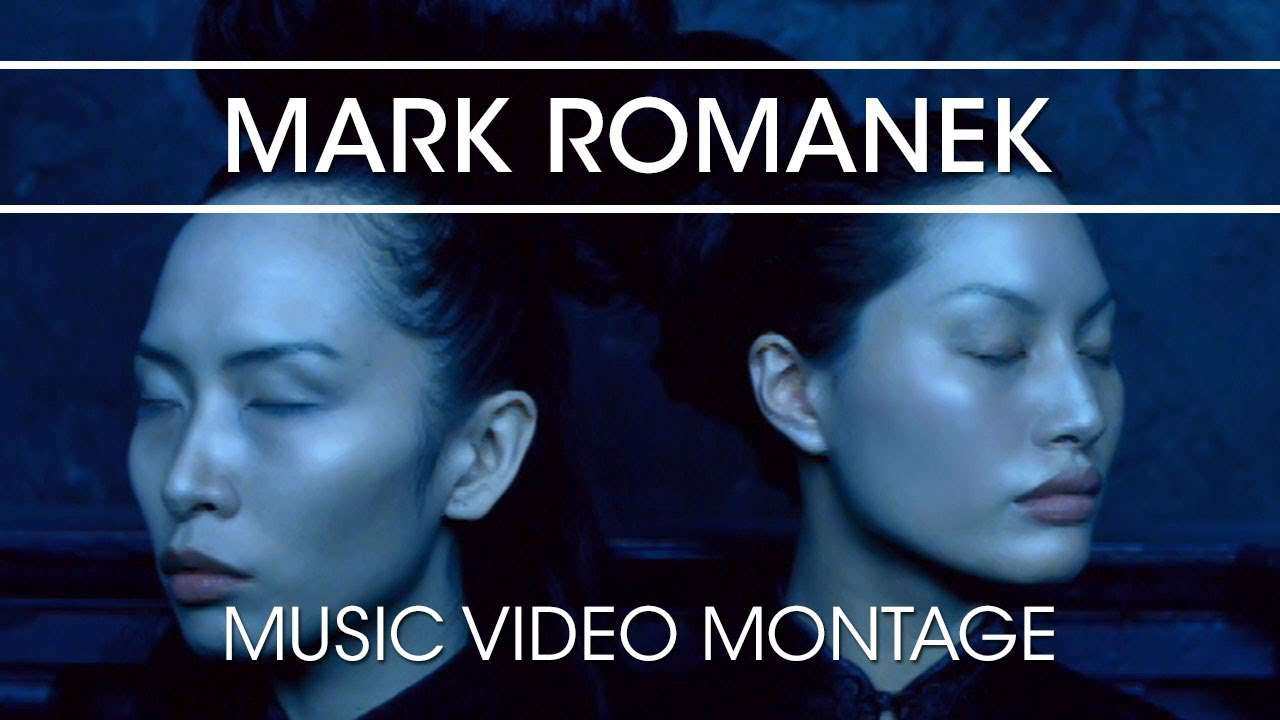
As technology advanced in the 1990s, so did the sophistication of music videos. The rise of digital editing tools and cutting-edge visual effects opened the floodgates for even more ambitious creations. Directors like Hype Williams and Mark Romanek led this charge, offering up strikingly stylized videos that transcended the boundaries of the medium.
Artists like TLC and Björk leaned into this newfound power, using their videos as vehicles for deeper storytelling and image-making. TLC’s “Waterfalls”, with its pioneering use of CGI, and Björk’s surreal “Bachelorette”, are landmark examples of how visual elements could magnify an artist’s cultural resonance.
The 2000s: Digital Revolution and Democratization
The digital boom of the early 2000s forever changed the music video landscape. With the introduction of high-definition cameras and increasingly accessible editing software, more artists could experiment and play with the form. Platforms like YouTube, launched in 2005, dramatically widened the reach of music videos, allowing independent creators to connect with global audiences at a scale never before possible.
Iconic videos like OutKast’s “Hey Ya!”*and The White Stripes’ “The Hardest Button to Button” utilized both traditional filmmaking techniques and digital wizardry, giving birth to a new visual language. Directors like Michel Gondry merged animation with live-action, creating a mesmerizing fusion that redefined expectations for the medium. In tandem, artists like Kanye West pushed the envelope with videos like **”Stronger,”** embracing futuristic themes and jaw-dropping effects that embodied the era’s digital spirit.
The 2010s and Beyond: A Technological Odyssey
In the 2010s, music videos reached an unprecedented level of visual and interactive complexity. With the explosion of social media, high-speed internet, and streaming platforms, music videos were no longer confined to television airings or physical copies; they were readily accessible to millions with a click. Directors now routinely employ CGI, 3D animation, and even virtual reality (VR) to push creative boundaries further.
Artists like Billie Eilish and Travis Scott are at the forefront of this revolution. Their videos for “Bad Guy” and “Sicko Mode” respectively represent the pinnacle of modern visual storytelling, blending stunning effects with compelling narratives that keep audiences glued to the screen. The rise of interactive and VR videos allows fans to engage more deeply with the content, immersing themselves in new worlds and even choosing their own narrative paths.
Exploring the Types of Music Videos
Music videos are more than just promotional tools; they’re integral to the music experience. Different types of videos have emerged over the years, each with its own distinct flavor and purpose.
- Performance Videos
The most classic format focuses purely on showcasing the artist or band in action, whether on stage, in a studio, or through a choreographed dance. Nirvana’s “Smells Like Teen Spirit” encapsulates the raw energy of a live show, while Beyoncé’s “Single Ladies” showcases an intricate dance performance. - Narrative Videos
These tell a story, often acting as short films that visually interpret the song’s lyrics. Michael Jackson’s “Thriller” is the archetype, turning a song into a mini-cinematic event. - Conceptual Videos
Conceptual videos are abstract, emphasizing artistry over narrative. Peter Gabriel’s “Sledgehammer” with its stop-motion animation, and OK Go’s “Here It Goes Again” with its innovative choreography, are testaments to the genre’s creativity. - Lyric Videos
A more recent phenomenon, lyric videos present animated text of the song’s words, giving fans something visually engaging while they sing along. Adele’s “Rolling in the Deep” and Coldplay’s “Paradise” have set the bar for this format. - Animated Videos
Animation opens up endless possibilities, from the imaginative worlds of Gorillaz’s “Clint Eastwood” to the anime-inspired visuals of Daft Punk’s “One More Time.” - Hybrid Videos
Mixing and matching styles, hybrid videos combine elements from performance, narrative, and conceptual formats, giving creators more flexibility to craft unique visuals. Lady Gaga’s “Bad Romance” is a prime example, blending narrative, performance, and striking conceptual imagery. - Interactive Videos
Pioneering a new age of video, interactive formats let the viewer guide the experience, either through VR, 360-degree views, or clickable features. Bob Dylan’s “Like a Rolling Stone” and Arcade Fire’s “Reflektor” both play with this format, allowing fans to control aspects of the video in real-time. - The Future of AI-Generated Music Videos: Revolutionizing Creativity The intersection of artificial intelligence (AI) and the arts has always sparked both intrigue and skepticism. However, as technology advances, the potential for AI-generated music videos to transform the creative landscape is becoming more evident. From personalized visual experiences to the democratization of video production, the future of AI-generated music videos holds immense promise. This article delves into the myriad possibilities, implications, and challenges that lie ahead in this exciting domain.The Rise of AI-Generated Music Videos
AI-generated music videos are transforming the creative landscape, offering artists and brands innovative ways to produce visually captivating content. Leveraging the power of generative AI, this approach enables the creation of unique and mesmerizing music videos with unprecedented efficiency. By combining advanced algorithms with artistic vision, these AI tools can analyze music tracks, interpret their rhythm, mood, and style, and generate corresponding visual elements in real-time. This technology not only accelerates the production process but also opens up new possibilities for creativity, allowing for the exploration of concepts and styles that were previously difficult or impossible to achieve.
Creating a Successful Music Video
- Concept Development: Start with a strong idea that complements the song. Research, storyboard, and aim for originality.
- Budgeting & Planning: London offers everything from high-end studios to indie filmmakers. Plan your finances carefully and consider crowdfunding or sponsorships to support your project.
- Assembling the Team: A successful video is built on a talented crew. Use platforms like Mandy to find top-notch directors, cinematographers, and makeup artists
- Pre-Production Ensure rehearsals, shot lists, and equipment are all prepared before shooting day.
- Filming: Time is money, so manage your shoot day efficiently while remaining flexible to unexpected changes.
- Post-Production: Hire skilled editors to bring your vision to life with color grading, visual effects, and sound design.
- Amplification and Circulation
For your music video to truly resonate, it must reach its intended audience. Engage in strategic use of social platforms, music streaming services, and key industry networks to propel and disseminate your creation. London’s pulsating music landscape provides numerous chances for fruitful networking and promotional endeavors.
FINAL THOUGHTS
Bringing forth a triumphant music video in London calls for an intricate blend of creative ideation, precise planning, and expert execution. The evolution of music video production, from the trailblazing efforts of the ’80s to the cutting-edge technology of today, speaks to the ever-shifting vitality of the industry. By mastering the array of music video styles—be it performance, narrative, conceptual, lyric, animated, hybrid, or interactive—creators can match their artistic vision to the message embedded within the song.
Detailed budgeting and organizational planning are pivotal to ensure that every facet of production, from acquiring equipment to assembling the crew, operates seamlessly.
Pre-production serves as the foundation, where scripts are solidified, shot lists are composed, and rehearsals conducted. Filming requires rigorous adherence to the production timeline and a coherent directorial vision. Post-production stands as the final frontier where editing, visual effects, and the overall finesse converge to create a polished video. Lastly, ensuring widespread promotion through social channels and industry ties secures the video’s rightful audience.
For over thirty years, Nino Del Padre has led the charge in music video creation, starting with the introduction of 4K Red cameras. Our body of work spans numerous musical genres, illustrating our adaptability and commitment to visual storytelling. We have partnered with both major record labels and indie artists alike, producing stunning, imaginative music videos that captivate audiences worldwide.